

Cycling Andalusia in Winter – A Journey That Changed Everything
Swapping Snow for Spanish Sun
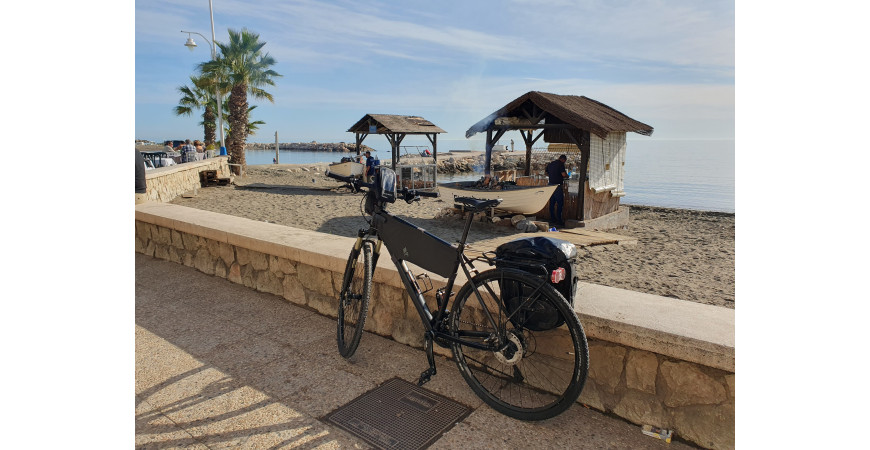
In the winter of 2023, I escaped the grey Polish skies in search of sunshine. Andalusia drew me in not just with the weather, but also with its rhythm, food, and language. As a bike touring enthusiast and owner of a bicycle store, I wanted to discover how Spain feels from the saddle.
Logistics: Bring Your Own Bike or Rent One?
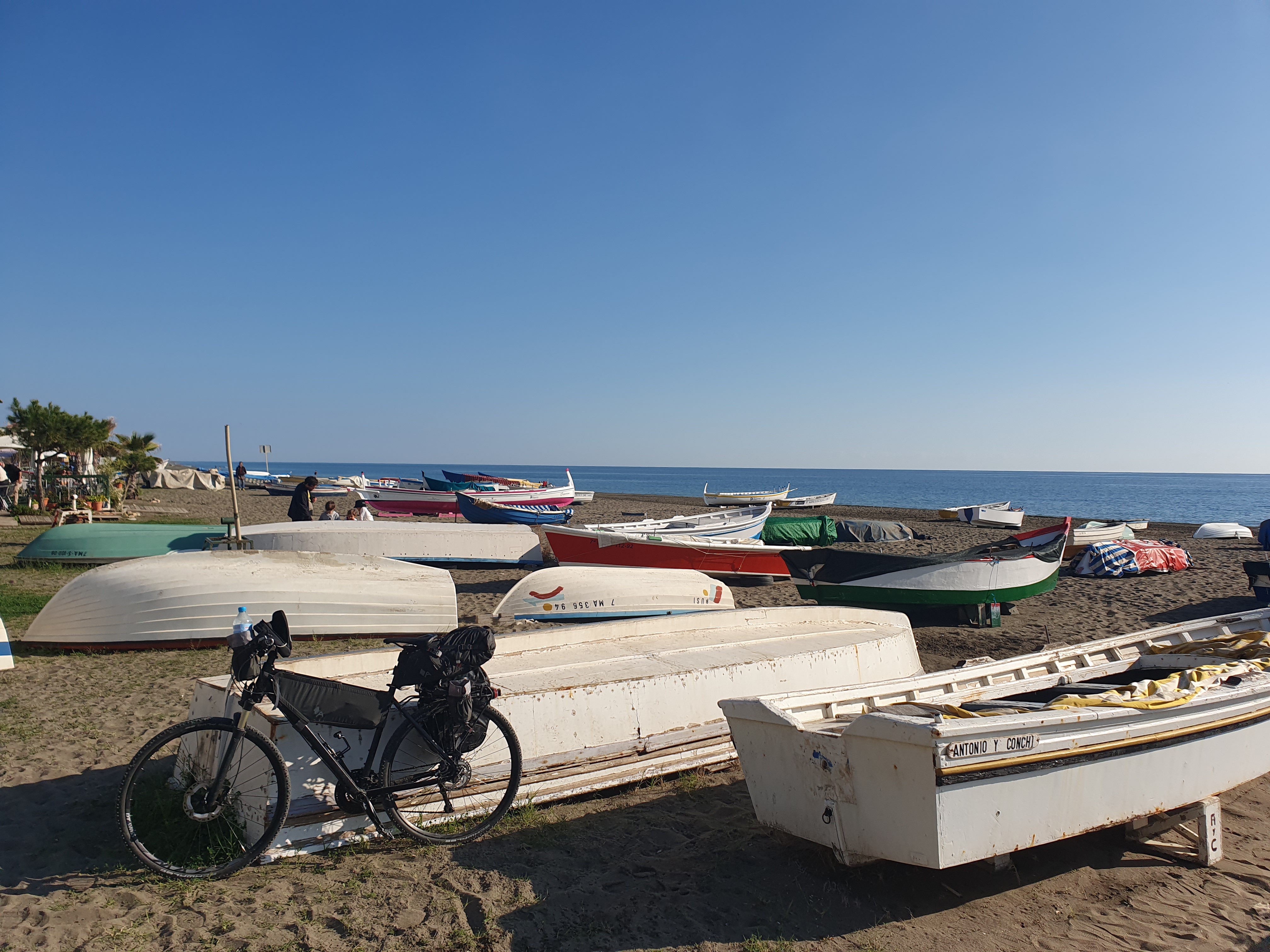
That’s a question many cyclists ask before a trip. I decided to take my own trekking bike – a Cube with Shimano XT components. The cost of flying with the bike (around 120 EUR round trip) pays off quickly, considering that renting a decent bike in Spain can cost 20–60 euros per day. I packed it in a transport bag (Acepac) and left it at a hotel in the center of Malaga.
Pro tip: Hotels often offer luggage storage much cheaper than airports.
Starting Point: Malaga and the First Kilometers
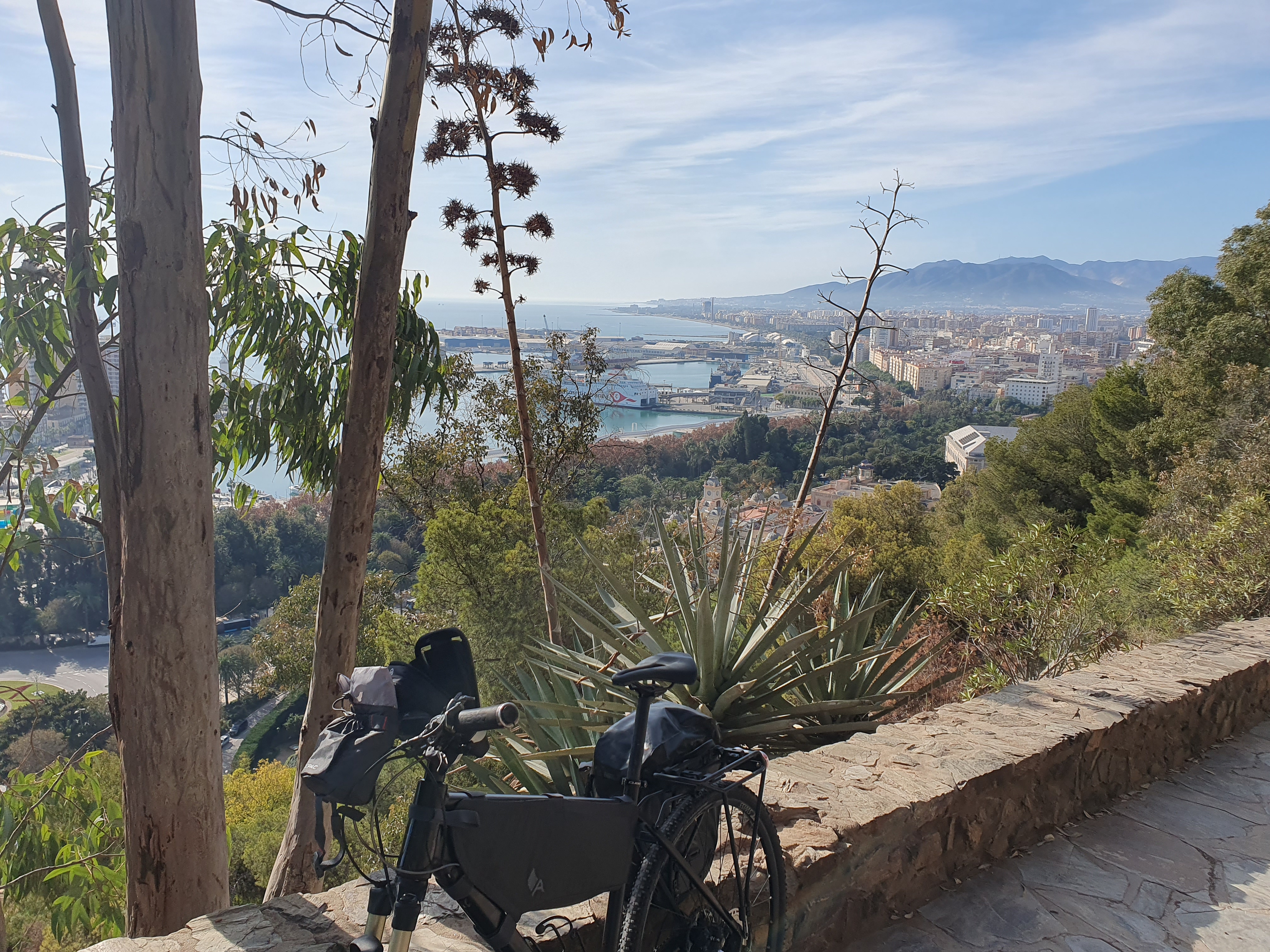
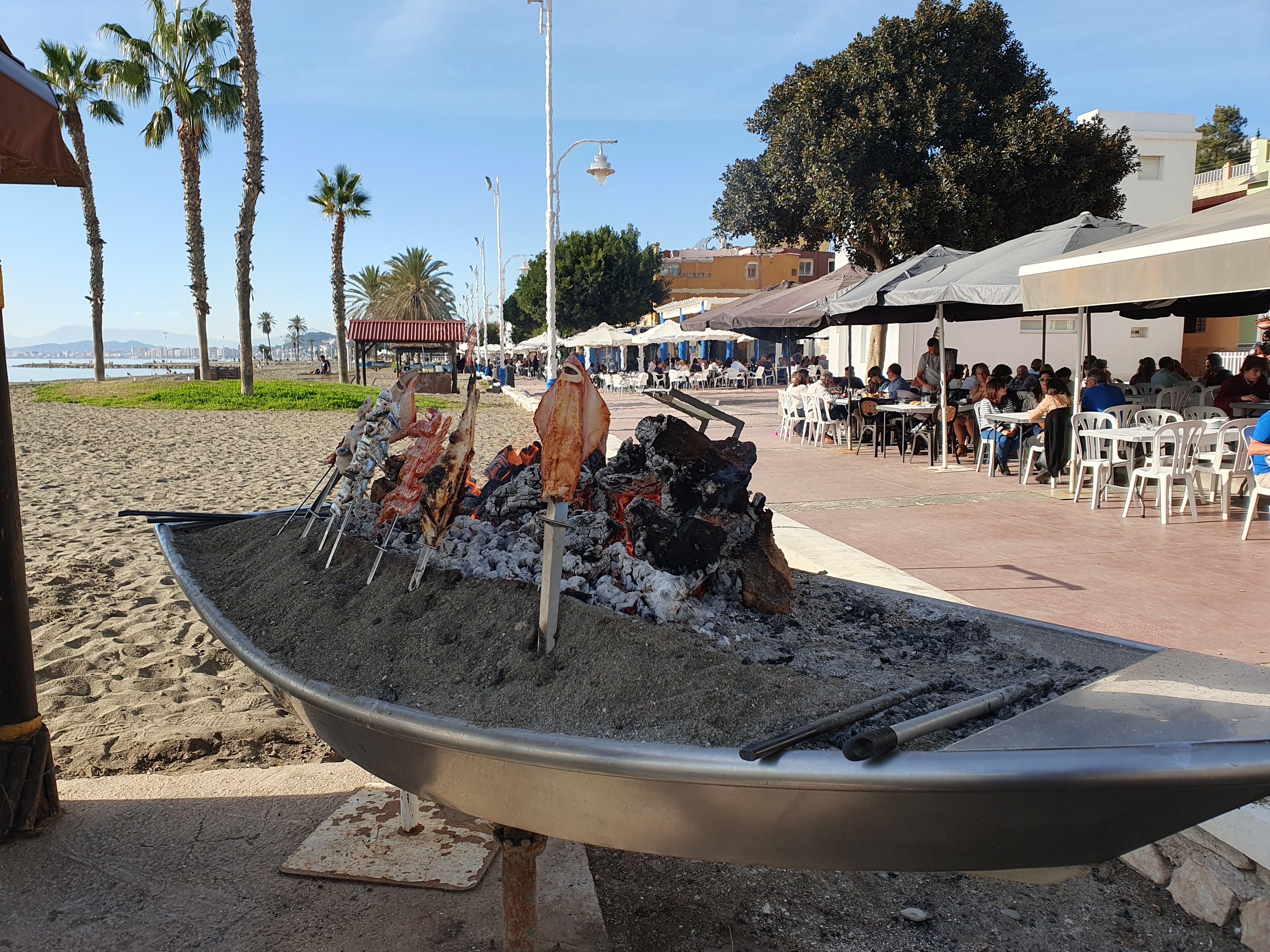
I landed in Malaga, assembled the bike, stored the bag, explored the coast, enjoyed grilled fish – and hit the road without a strict plan. Gibraltar was my first goal. From there, I would decide whether to follow the coast or head inland.
Day by Day, Town by Town
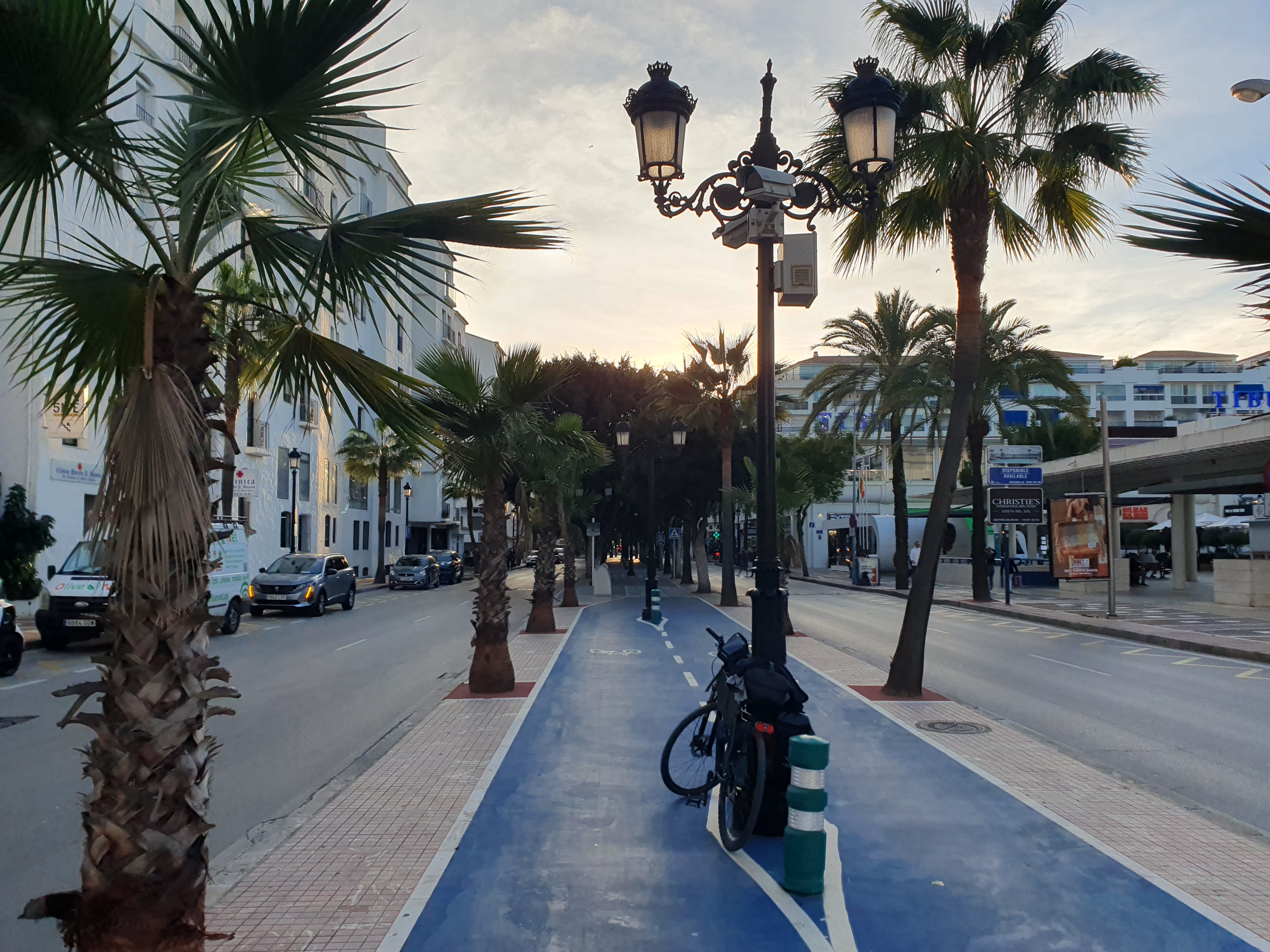
The route took me through Fuengirola, Marbella, and Estepona to Gibraltar.
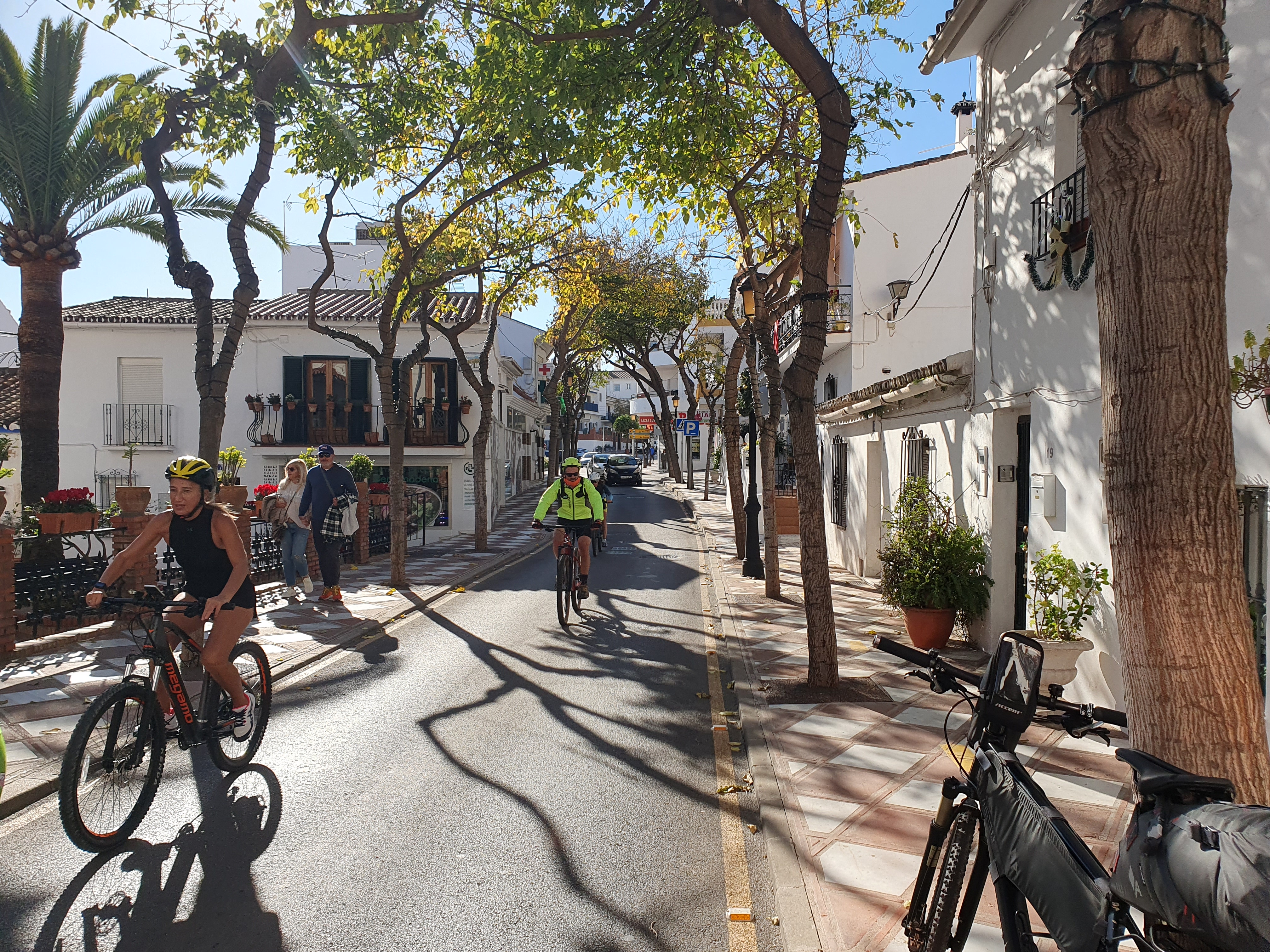
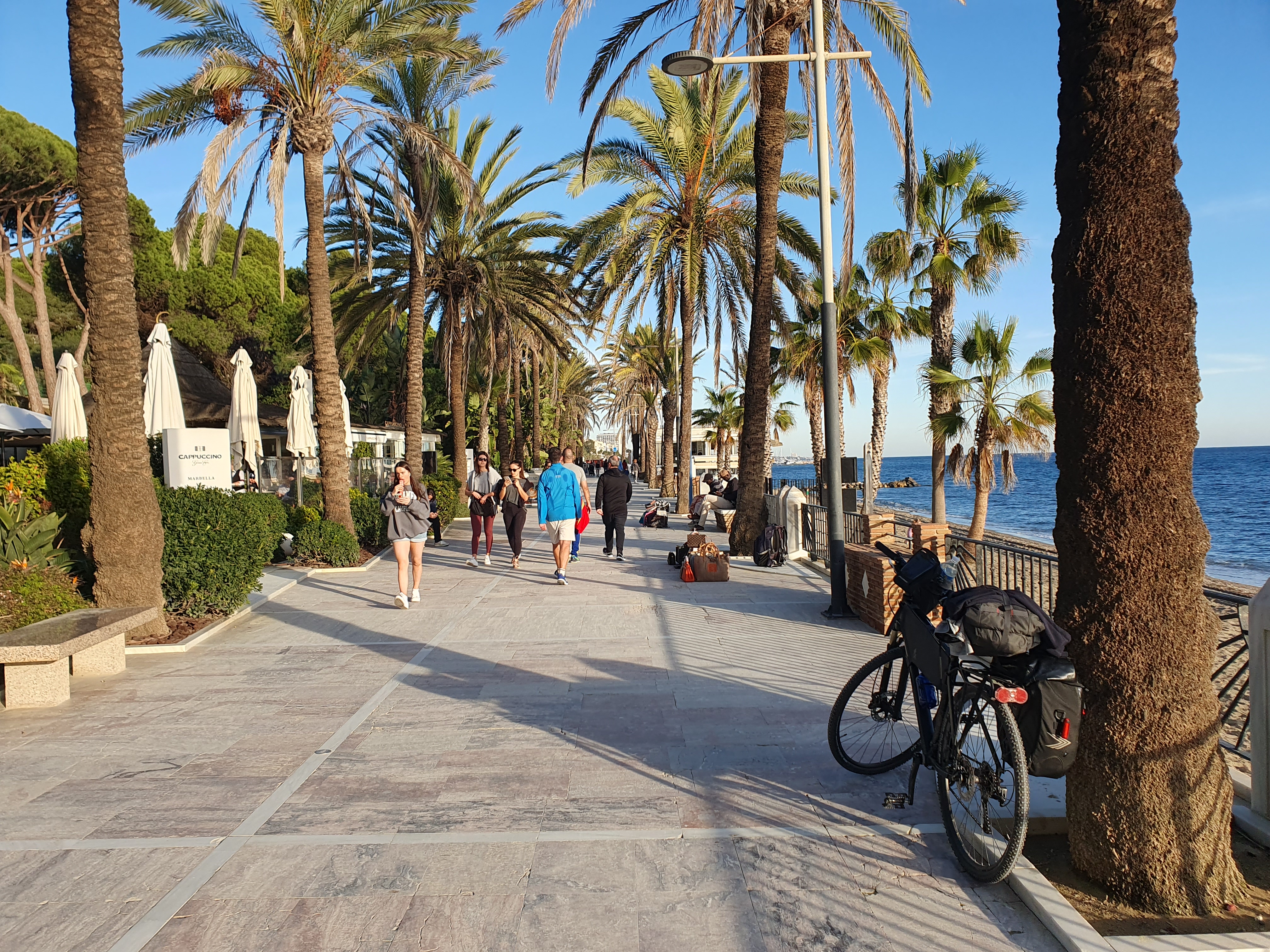
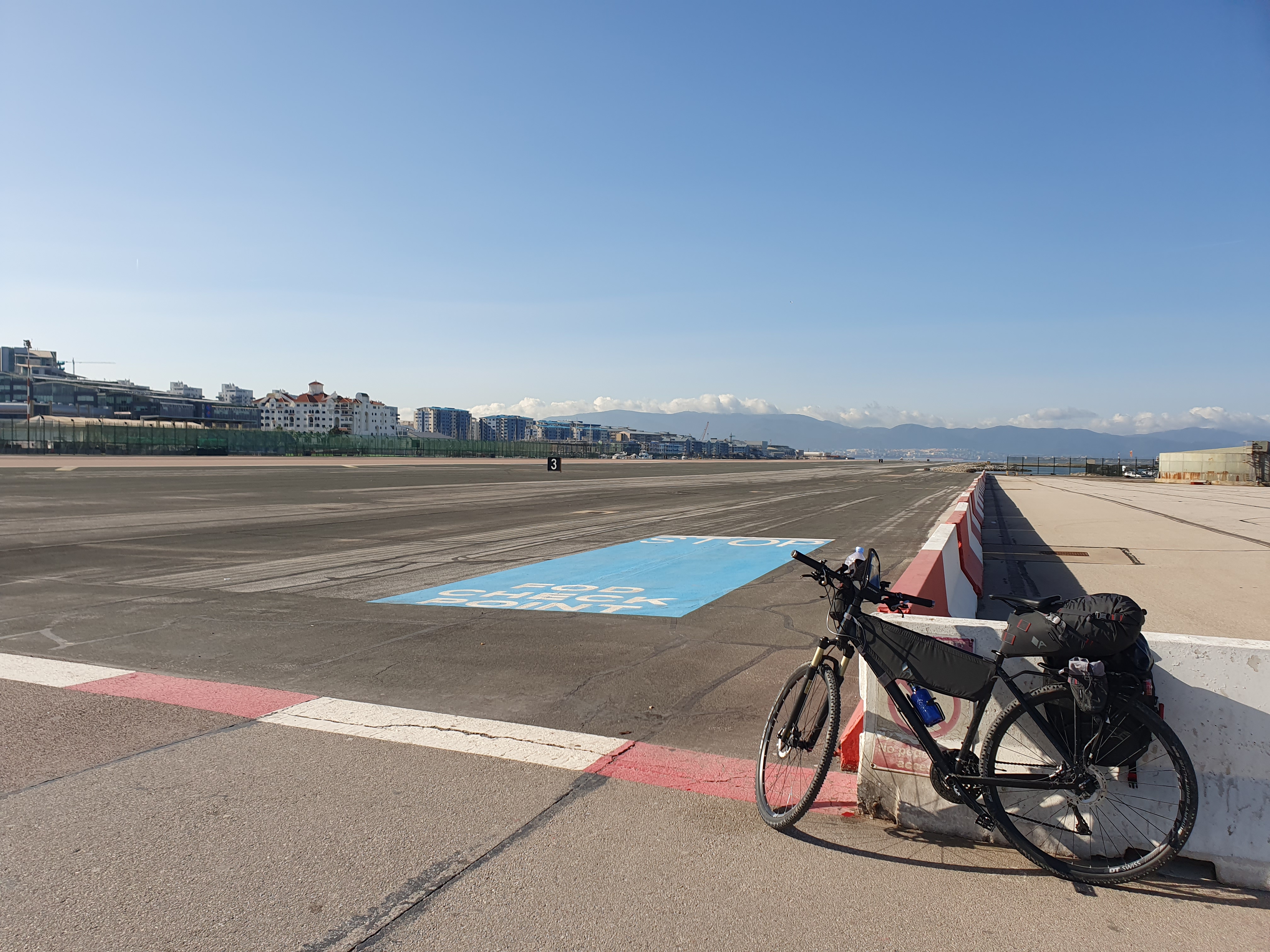
Crossing an international border by bike along an airport runway – a surreal moment.
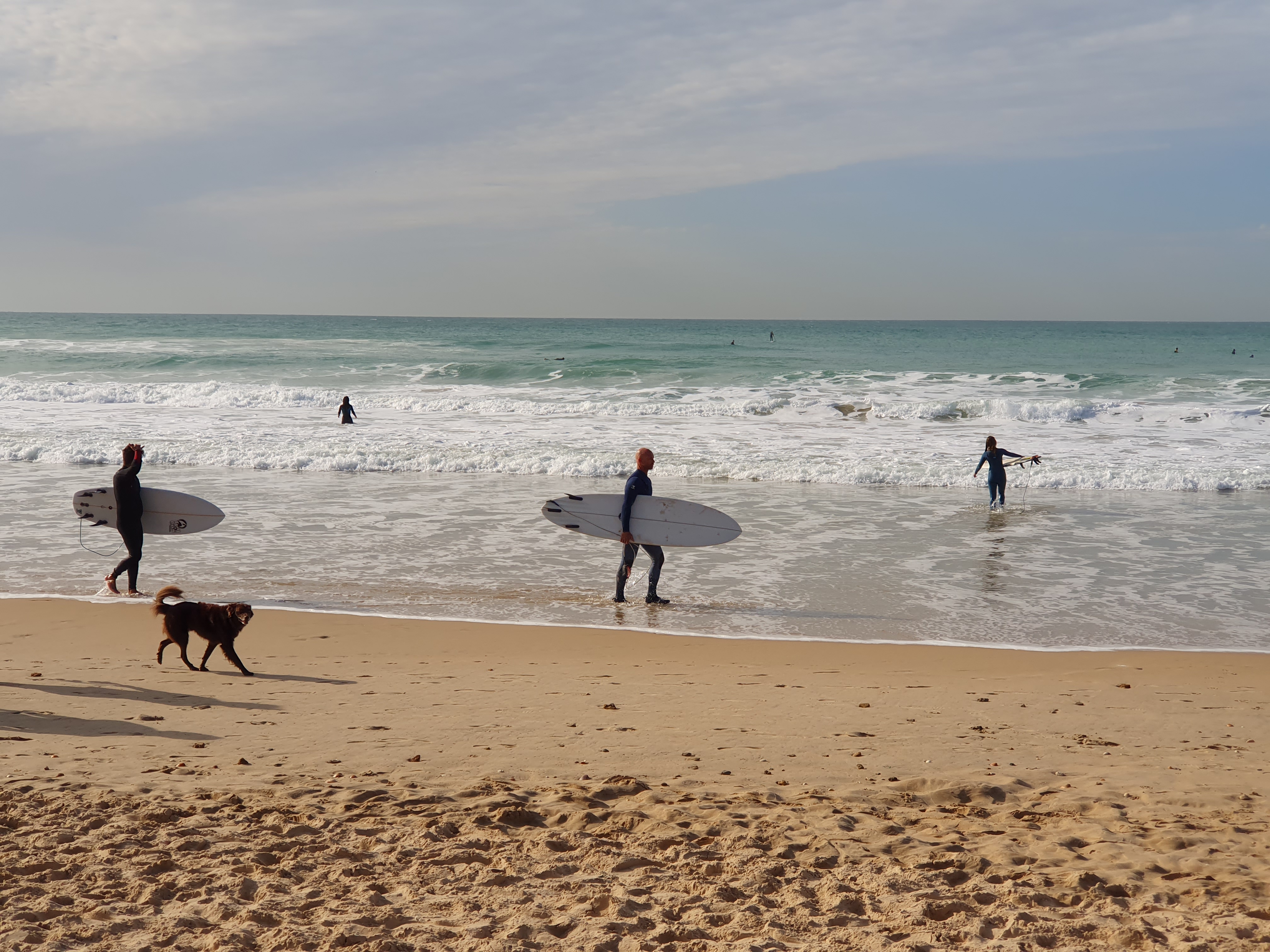
Then came Algeciras and Tarifa – the southernmost tip of mainland Europe, full of surfers and digital nomads.
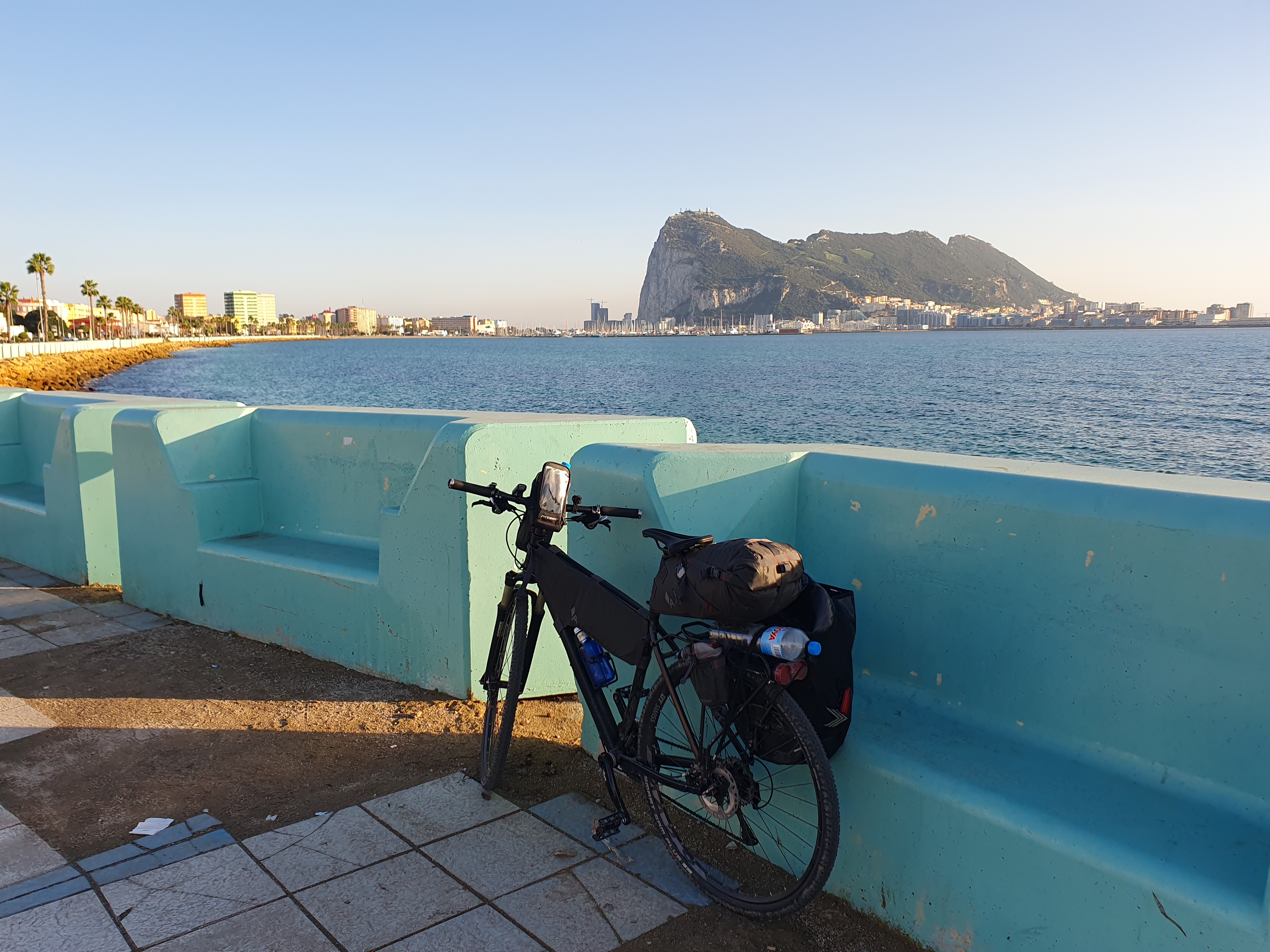
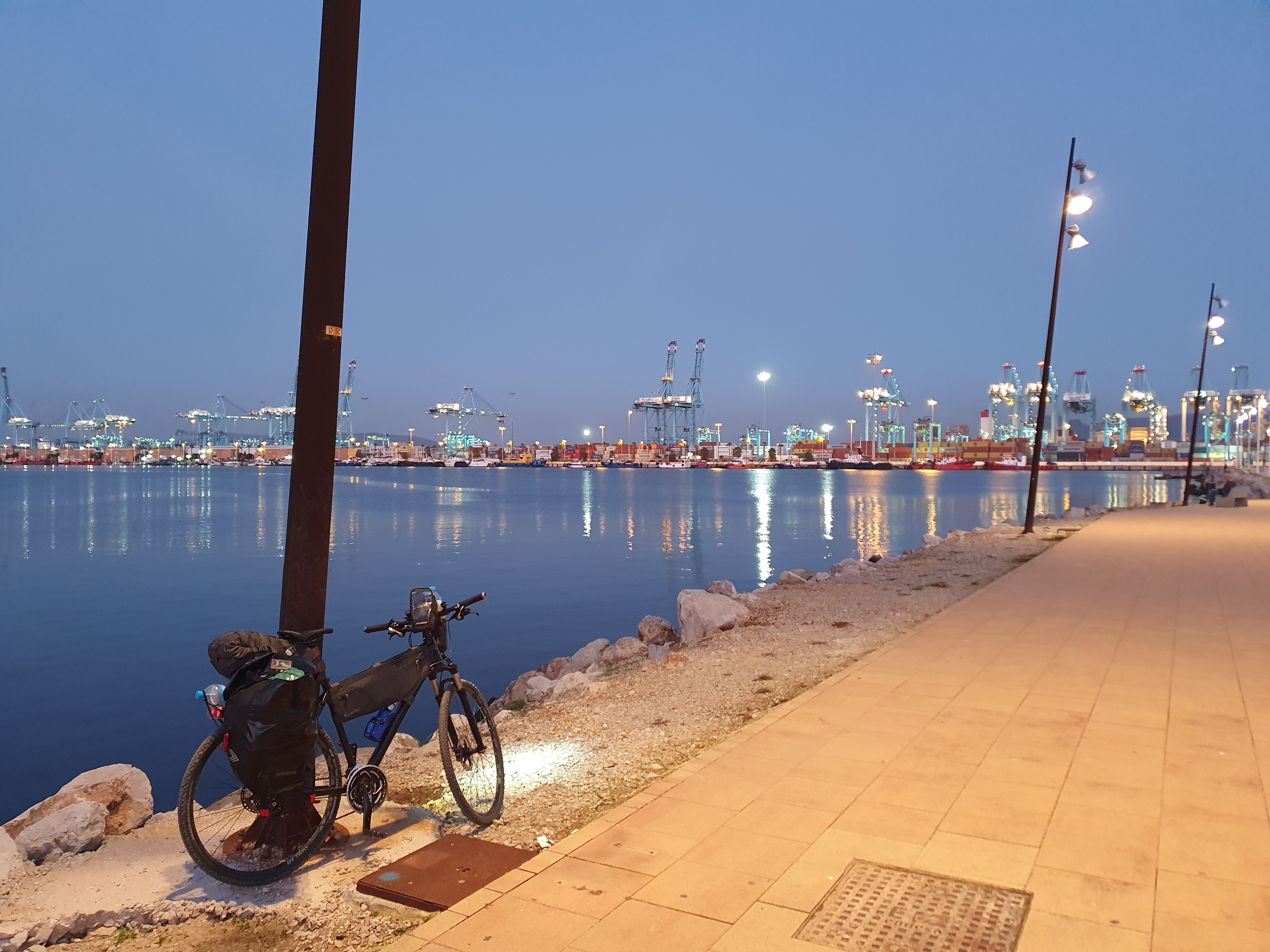
From there, I turned north toward Cadiz and eventually made my way to Seville.
Accommodation: No Tent, Just Flexibility
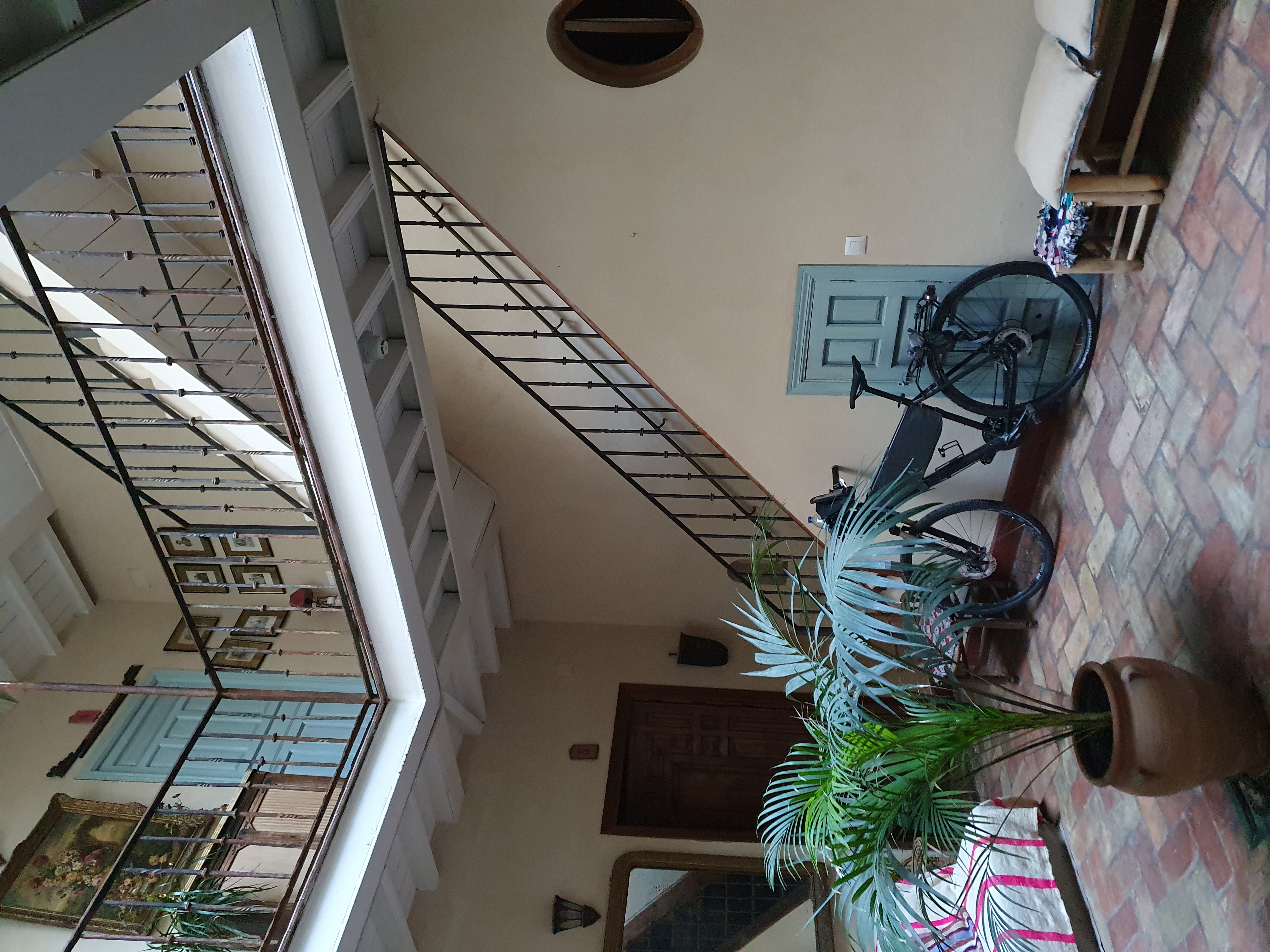
I slept in hostels and guesthouses. No bookings in advance – each day around noon I’d check for places on Booking.com. Off-season, this works perfectly. I paid 30–55 EUR per night. The essentials? Comfort, safety, a shower – and space for the bike.
Food: Paella, Sardines, and Energy on the Road
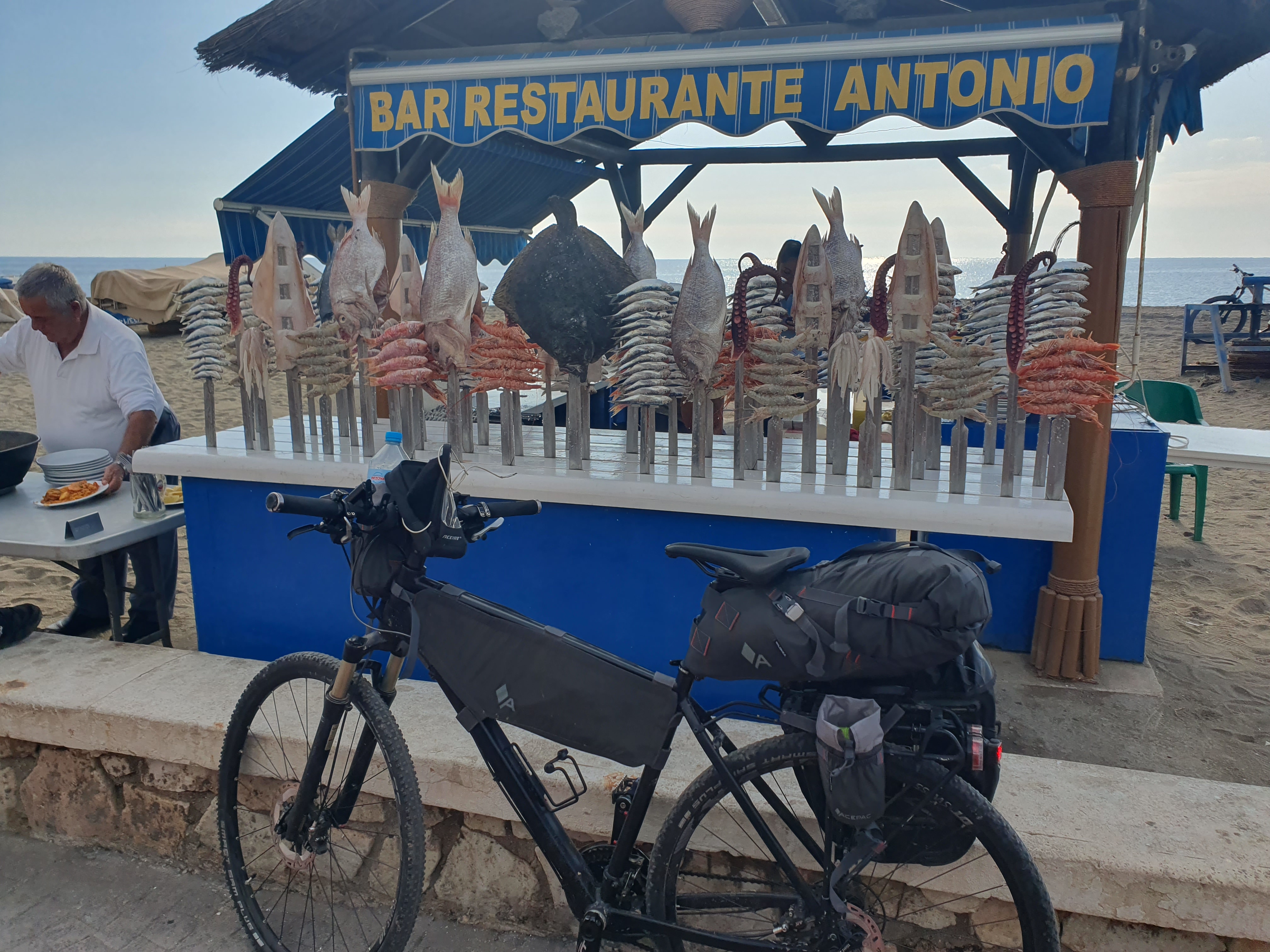
I always carried snacks on the road. But the real Andalusian experience happens in local taverns – seafood, paella, shrimp, espresso in seaside bars, a glass of wine. Sometimes I’d just sit with locals and soak up the moment.
Gear I Took with Me:
-
Cube trekking bike
-
Acepac transport bag + bikepacking bags
-
Accent handlebar bag with space for phone & power bank
-
Power bank, paper maps, offline maps in the Mapy.com app
-
Waterproof jacket (it came in handy during the last day, when I had to push the bike through a flooded forest near Seville)
Safety and Road Culture
Spanish drivers are impressively patient. They would follow behind until they could overtake safely. A helmet and reflective vest are mandatory – but beyond that, they just make sense for your own protection.
Podcasts, Audiobooks, and Thoughts
I listened to podcasts, audiobooks, and music on the road. But the most important moments were filled with silence and scenery. That’s when the idea of Woo Hoo Trips really began to form.
I thought to myself: “I want to do this for others.”
The Final Stretch: Seville in the Rain
Arriving in Seville, I got caught in a torrential downpour. Flooded roads, a forest where I had to wade through water up to my knees. But it was just another part of the journey – not an obstacle. Seville made it all worth it.

Why Am I Sharing This?
Because it wasn’t just a trip. It was a turning point.
Today, I create small-group, authentic cycling adventures for people who want to go beyond just riding – and truly feel the road.
If that speaks to you – follow Woo Hoo Trips.
Maybe we’ll ride together one day.
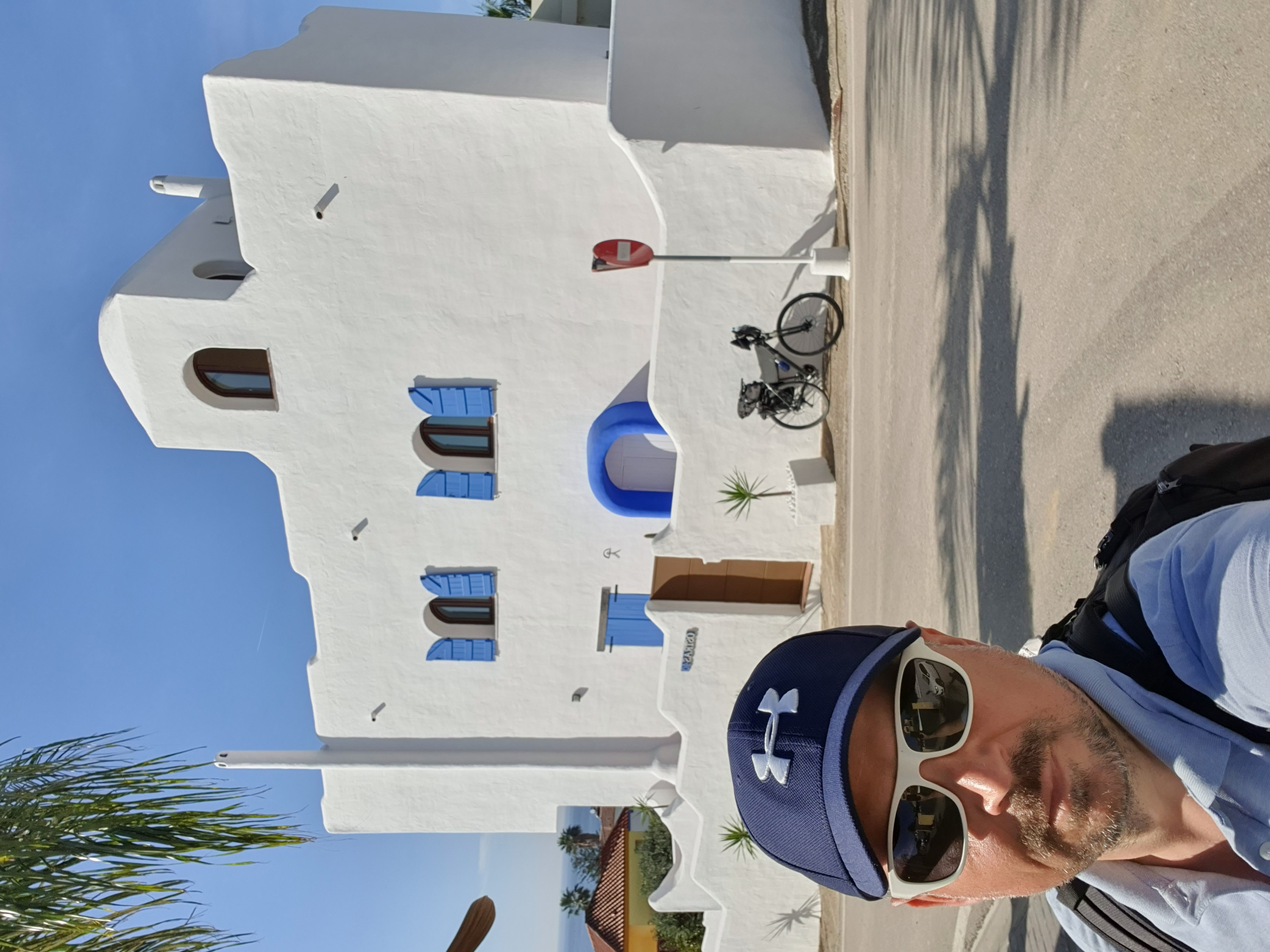
See you on the road!

 English
 Polski